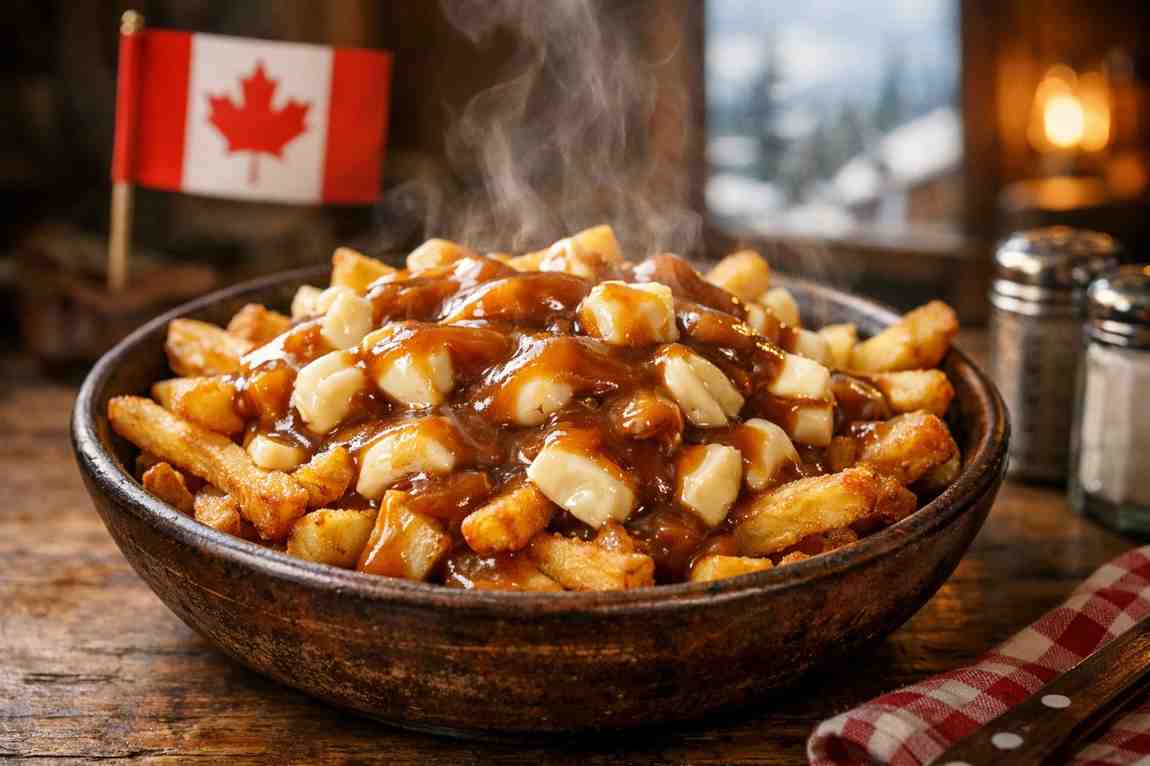
When it comes to comfort food, few dishes can rival the indulgent, hearty satisfaction of poutine. Originating in Canada, this seemingly simple combination of fries, cheese curds, and gravy has grown into a beloved culinary phenomenon. What started as a regional specialty has now crossed borders, appearing on menus around the globe in both traditional and inventive forms.
The Origins of Poutine
Poutine was born in the province of Quebec in the 1950s. While the exact origin story is debated, most accounts agree that it emerged in rural snack bars where customers began requesting cheese curds to be added to their fries. Soon after, hot gravy was poured over the mixture, creating the iconic dish we know today.
The name “poutine” itself is thought to be derived from Quebec slang, possibly meaning “mess” — a fitting description for a dish that, while not always visually elegant, delivers unmatched flavor and comfort.
The Classic Components
At its core, poutine is defined by three essential ingredients. Each plays a crucial role in achieving the perfect balance of texture and taste:
1. French Fries
The base of poutine is a generous serving of thick-cut fries. Ideally, they are crispy on the outside and soft on the inside, providing a sturdy foundation that can hold up under the weight of gravy and cheese.
2. Cheese Curds
Fresh cheese curds are what set authentic poutine apart. These small, irregular chunks of cheese have a mild flavor and a distinctive “squeaky” texture when bitten into. Unlike shredded cheese, curds maintain their shape even when warmed by the gravy.
3. Gravy
The final touch is a rich, savory gravy poured over the fries and curds. Traditionally made from meat stock, the gravy should be hot enough to slightly melt the cheese curds without completely dissolving them.
Why Poutine Works
The magic of poutine lies in its contrast of textures and flavors. The crispiness of the fries, the soft chewiness of the cheese curds, and the smooth warmth of the gravy come together in perfect harmony. It’s salty, savory, and deeply satisfying—everything one looks for in comfort food.
From Local Favorite to National Symbol
For many years, poutine was considered a humble, even lowbrow dish associated with roadside diners and fast-food joints in Quebec. However, its popularity steadily grew, and it eventually became a symbol of Canadian cuisine.
Today, poutine is celebrated across Canada, from casual eateries to upscale restaurants. It has also become a point of pride, representing the country’s unique culinary identity.
The Global Spread of Poutine
As food culture became more globalized, poutine began to gain recognition outside of Canada. Chefs and food enthusiasts embraced the dish, adapting it to local tastes and ingredients.
In the United States, for example, poutine is often found in gastropubs with creative twists. In Europe and Asia, variations may include regional spices, sauces, or proteins, demonstrating the dish’s versatility.
Creative Variations
Modern poutine has evolved far beyond its classic form. Some popular variations include:
- Pulled Pork Poutine: Topped with tender, slow-cooked pork for added richness.
- Butter Chicken Poutine: A fusion favorite that incorporates Indian flavors.
- Vegetarian Poutine: Made with plant-based gravy and toppings.
- Breakfast Poutine: Featuring eggs, bacon, and hollandaise sauce.
Cultural Significance
Poutine is more than just a dish—it’s a cultural experience. It evokes a sense of nostalgia and comfort, often associated with late-night meals, road trips, and casual gatherings.
In Quebec, it holds a special place as a regional treasure, while across Canada, it represents a shared love for hearty, satisfying food. Its rise in popularity has also sparked discussions about food identity and tradition.
Health and Indulgence
There’s no denying that poutine is an indulgent dish. High in calories, fat, and sodium, it’s typically enjoyed as an occasional treat rather than an everyday meal.
However, as with many traditional foods, healthier adaptations are emerging. Baked fries, lighter gravies, and plant-based ingredients offer ways to enjoy poutine with a bit less guilt.
The Future of Poutine
The future of poutine looks bright as chefs continue to experiment with new ingredients and presentations. From gourmet interpretations to street food innovations, the dish continues to evolve while staying true to its roots.
Conclusion
Poutine’s journey from a modest Quebecois snack to an international sensation is a testament to its irresistible appeal. Its simplicity, adaptability, and rich flavors have made it a favorite among food lovers everywhere.
Whether you prefer it classic or with a modern twist, poutine remains a celebration of comfort, creativity, and culinary tradition—a dish that proves great food doesn’t have to be complicated to be unforgettable.