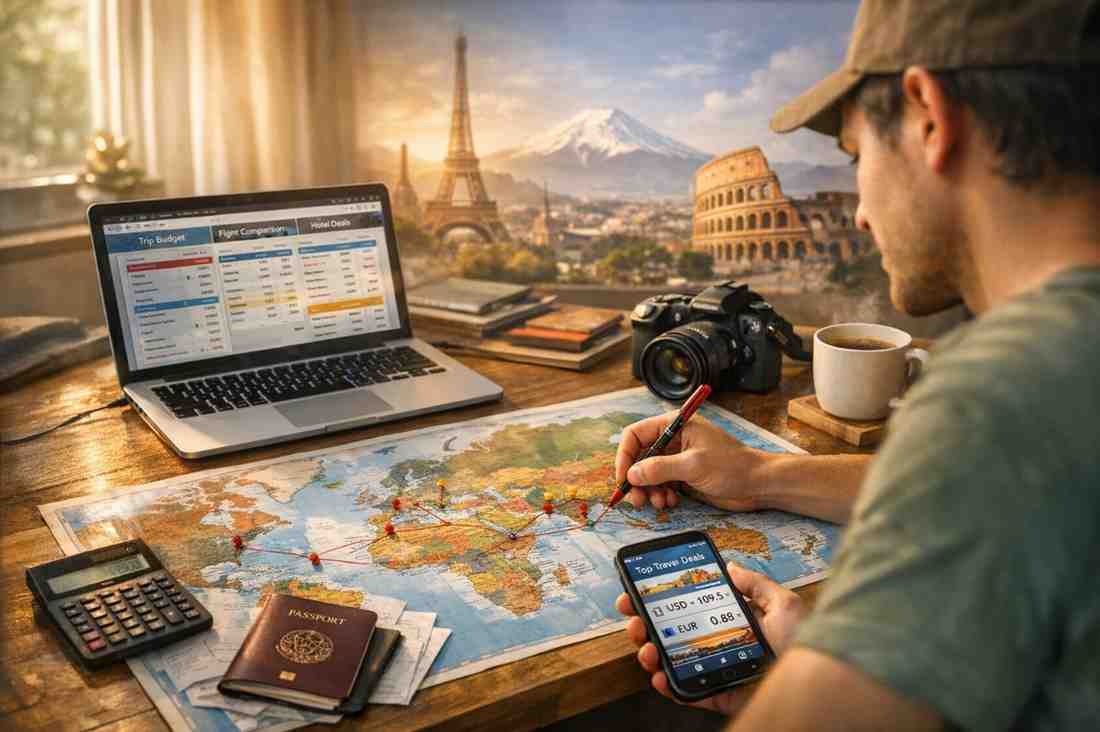
Travel is one of life’s most enriching experiences—it opens minds, builds memories, and exposes us to new cultures, foods, and perspectives. But as exciting as it is, travel can quickly become expensive without proper planning. That’s where travel budgeting comes in: the art and science of managing your money so you can explore more while spending less.
A well-planned travel budget doesn’t limit your experience—it enhances it by helping you make smarter decisions, avoid stress, and stretch your money further.
What is Travel Budgeting?
Travel budgeting is the process of estimating, planning, and controlling your expenses before and during a trip. It includes everything from flights and accommodation to food, transport, activities, and emergency funds.
A good travel budget answers three key questions:
- How much will the trip cost overall?
- Where is the money going?
- How can I reduce unnecessary expenses?
It is essentially financial planning for your journey, ensuring you enjoy your trip without worrying about overspending.
Why Travel Budgeting Matters
Many travelers underestimate costs and end up overspending or cutting their trips short. A clear budget helps you:
- Avoid financial stress during travel
- Prioritize experiences that matter most
- Prevent impulsive spending
- Extend the duration of your trip
- Travel more frequently over time
Step 1: Planning Your Travel Budget
A simple breakdown includes:
- Transportation (flights, trains, buses)
- Accommodation (hotels, hostels, rentals)
- Food and dining
- Local transport
- Activities and attractions
- Shopping and souvenirs
- Emergency funds
Step 2: Choosing Budget-Friendly Destinations
Some destinations are naturally more affordable, such as Southeast Asia, parts of Eastern Europe, and regions in South America.
Even within expensive countries, choosing smaller towns instead of major tourist cities can significantly reduce costs.
Step 3: Saving on Flights
- Book tickets in advance
- Be flexible with travel dates
- Use flight comparison tools
- Consider nearby airports
- Travel during off-peak seasons
Platforms like Skyscanner help compare flight prices and find cheaper routes.
Step 4: Affordable Accommodation Options
- Hostels for budget travelers
- Guesthouses and homestays
- Vacation rentals
- Couchsurfing
Platforms like Airbnb offer a wide range of budget-friendly stays.
Step 5: Managing Daily Food Expenses
- Eat at local restaurants
- Try street food
- Shop at local markets
- Cook your own meals when possible
- Set a daily food budget
Step 6: Transportation on a Budget
- Public transport (buses, metros, trains)
- Walking or cycling
- Tourist travel passes
- Shared rides or carpooling
Step 7: Planning Activities and Experiences
- Free walking tours
- Parks and free-entry museums
- Natural attractions like beaches and trails
- Local cultural events
Step 8: Hidden Costs You Shouldn’t Ignore
- Visa fees
- Travel insurance
- Currency exchange charges
- Luggage fees
- Tips and service charges
- Mobile data or SIM cards
A buffer of 10–20% is recommended for unexpected costs.
Step 9: Using Technology to Track Spending
Budgeting apps help travelers:
- Log daily spending
- Convert currencies
- Set limits
- Monitor expenses in real time
Step 10: Emergency Funds and Safety Net
Unexpected situations like flight delays or medical emergencies can happen. Always keep an emergency fund separate from your travel budget.
Travel Styles and Budget Differences
- Budget travel: Hostels, public transport, minimal spending
- Mid-range travel: Comfortable hotels and some tours
- Luxury travel: Premium stays and private experiences
The Psychology of Travel Spending
- Fear of missing out (FOMO)
- Emotional spending
- Poor tracking habits
Sustainable and Smart Travel Budgeting
- Using public transport
- Supporting local businesses
- Reducing unnecessary consumption
Conclusion
Travel budgeting is not about limiting your adventures—it’s about maximizing them. With proper planning and smart decisions, you can explore the world without financial stress.
Ultimately, the best trips are not the most expensive ones—they are the ones where you feel free, present, and financially comfortable enough to enjoy every moment.